

I recently found myself a bit perplexed about why I was not enjoying an online networking group that I
had really looked forward to being a member of. While I thought I had put in the necessary time and effort (and money) to fully belong to this group, I just couldn’t get to the point […]
Surviving the Rip Currents of Life

When life gets busy and hectic, sometimes we just
want things to stop so we can get off of that crazy ride for a while. Yet, in the same way that we know that “life isn’t always fair”, we also know that we can’t quit every time the going gets tough. If “the ocean” remains […]
What To Do When Your Blog Goes Dormant
In the lifetime of a blog, it is not uncommon for a

blog to experience a dry spell (a.k.a., a “post-less” or dormant period) somewhere along the line. Whether it is due to lack of motivation, time or ideas, or due to choosing of a non-ideal niche, or losing purpose, or lack of perceived benefit, […]
fake ice watches uk
Today I didn’t set out to write anything profound or
earth shattering. As I jump back into the online writing fray, for me to set any lofty goals would quite likely only result in my getting nothing finished in the long run anyway. And, that wouldn’t help anyone, myself included. Can you relate? For me, […]
Freelancing By the Numbers – Infographic (Guest Post)
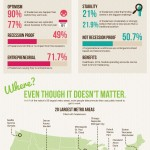
In these days of high unemployment, words like “entrepreneur” and “freelancer” are on many people’s lips. The freelance life can sound like a dream come true: no boss, set your own hours and your own rates, work when you want and don’t bother when you’re not in the mood. Unfortunately, with that life comes some […]
Escaping Entrepreneurial Limbo-Land

Doing nothing is a choice in the same way that doing anything is a choice. Since we almost always have the option to do the exact opposite, therein lies our choice. So what does inaction look like? Isn’t it relatively easy to spot? Sometimes, yes. But, other times, not so much. For example, accepting the status quo has […]
Filed Under: Analysis
Privacy Rights: Where Do You Draw the Line Between Public-vs-Private?

Perhaps the current NSA Spying allegations are not really as big a deal as they are being made out to b
e. Or, perhaps they are. Either way, do we really need to wait for a worst-care-scenario or 100%-undeniable-facts to be presented to us before we re-evaluate what our current privacy expectations are? Whether “the leaker” is a hero […]

Most simply stated: “Many people are not happy in t
heir jobs.” The above statement is not new News. There are probably several sets of statistics around that I could look up and quote here to validate that claim. However, for employers and employees, having facts and figures on hand that support current job satisfaction levels […]
Freedom and Security in Life & the Arts

Currently, one item near the top of my Bucket List, i.e., the list of things that I want to do before I die, is t
o take an RV trip coast-to-coast across the United States. If I were to take that dream even further, I’d even be documenting that trip for some kind of video or […]
How to Write When You’re Not The Expert
Software application developers release new

programs in Beta all the time. Technically speaking, Alpha and Beta Testing is a formal part of their development process, known as User Acceptance Testing (UAT). At the UAT part of the development process, developers know that not every desired feature of the final end product has been built in […]
Respecting the Facts.
Participating in the Conversation.
“Where Creativity Meets Analysis.”
Services/Tools I Recommend:
InMotionHosting
Bluehost
Udemy
MyBlogU
Tableau
Kickstarter
Latest Tweets
(#Giveaway) Enter for a chance to win a fab #TorrentBlender from @KitchenAidUSA and @gimmesomeoven! http://t.co/FrwbgRcZbt August 30, 2015 4:34 pm
Accepted 2 more ideas & archived my latest brainstorm project. I’ve got enough info now to write the post. Thanx! #MBUstorm #Day6 @myblogu April 27, 2015 11:52 pm
Just answered an #mbustorm request from @Nicholls_Dr on exam tips via @myblogu. April 27, 2015 11:37 pm
Accepted another great tip on @myblogu today. #Day3 #MBUstorm April 26, 2015 12:40 am
Hey @patantconsult – I just approved your idea at @myblogu Thanks a lot http://t.co/2hUQEnWBDD April 26, 2015 12:38 am